Market House
Making the Market House
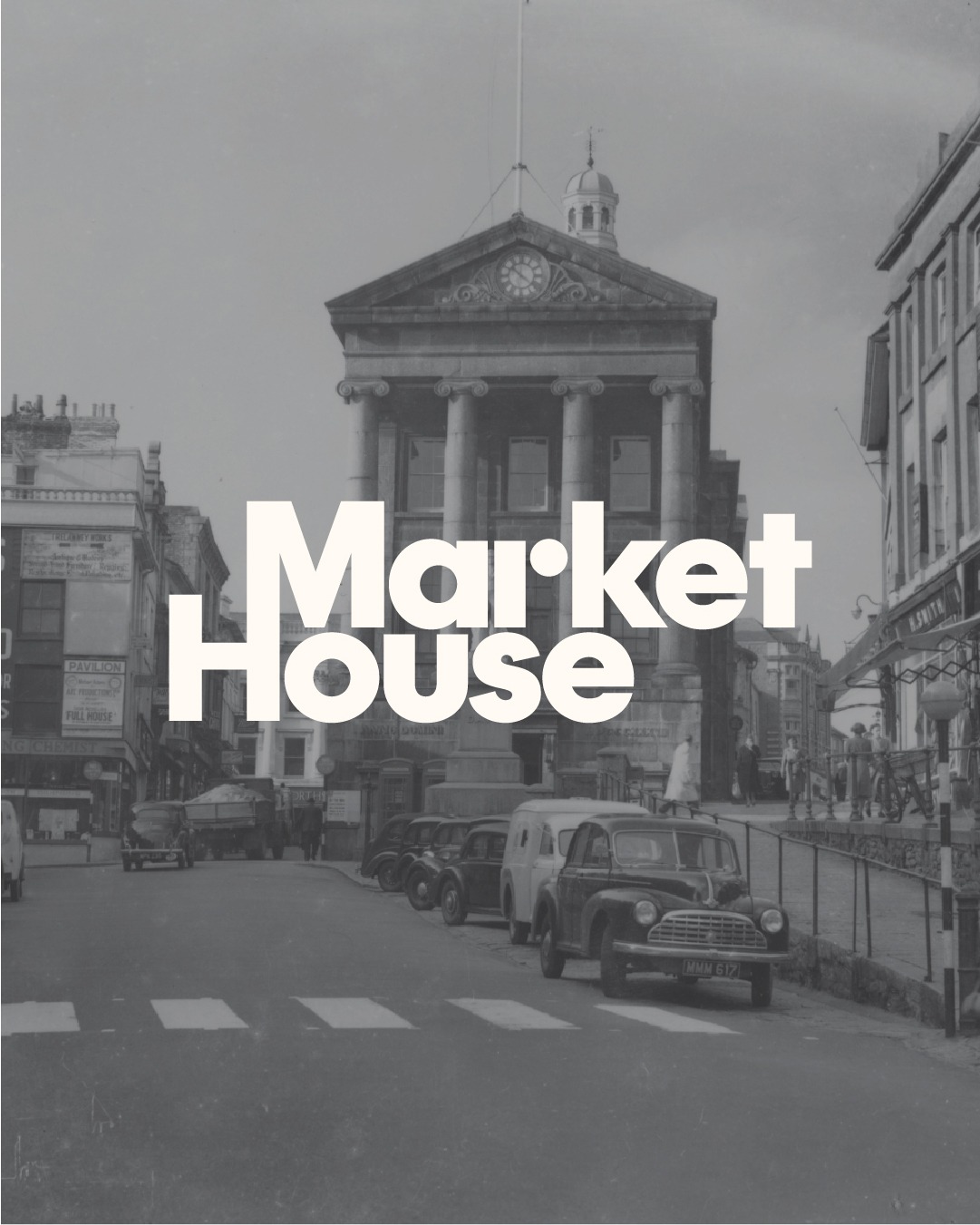
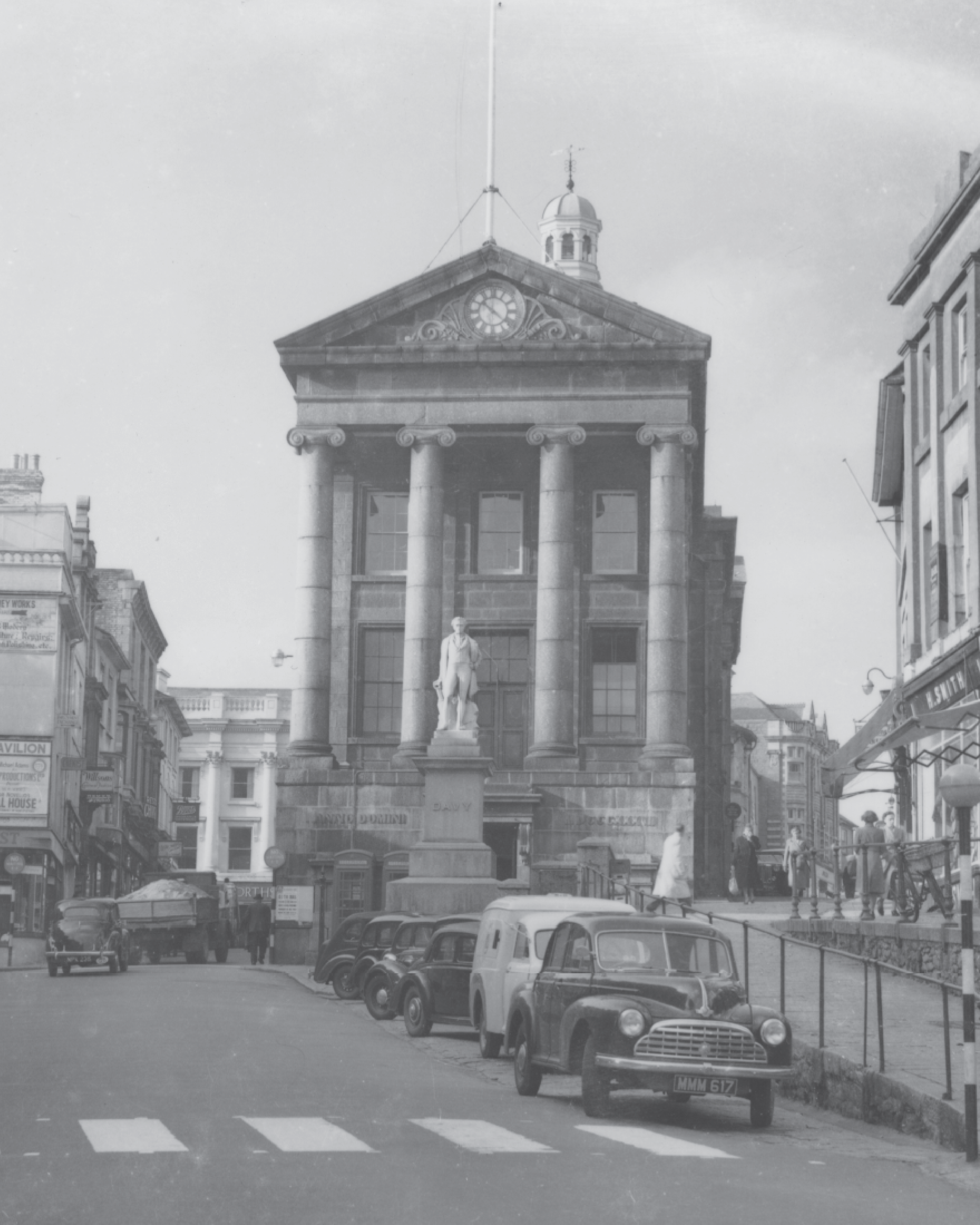
Market House has been at the heart of Penzance since 1614. Over more than 400 years, the Grade I listed building has been a coinage hall, meat market, grammar school, gaol, recruitment office and restaurant. After almost two decades of neglect, PZRC came to us with an ambitious plan to give it a new purpose and put it back at the centre of town life.
PZRC (The Penzance Regeneration Company) is a not-for-profit, community-owned developer focused on re-energising local communities, and the vision for Market House was much bigger than simply restoring the building. It was to create a place for food, culture, business and connection; a platform for emerging local talent and a reason for people to spend time in the town.
Our role was to build on the initial research and develop a full creative identity and toolkit that could bring this vision to life. The brand needed to work as an umbrella for the different areas of Market House, while being flexible enough to evolve as the building and its programme develops.
Brand Identity Design
Discovery Workshops
Brand Strategy & Voice
Brand Activation & Digital
Hospitality, Tourism & Community
The Research
We started by getting under the skin of the building and the town.
Our research took us into the Market House itself, photographing old signage, newspapers and the small details that had survived years of neglect. We explored historic archives, visited the Morrab Library, watched documentaries and spoke to people connected to Penzance and the project.
One name kept coming up: Humphry Davy.
Born in Penzance, Davy went from a self-taught local scientist to one of the most celebrated inventors of his time. His curiosity, experimentation and willingness to challenge convention felt like a natural fit for the new Market House.
That became a key part of the creative direction. We wanted the identity to capture some of Davy’s energy: experimental, optimistic, colourful and full of possibility.
The Brand
At the heart of the brand is a simple idea: To Nourish a Community.
Market House needed to feel like it belonged to Penzance. Not as an outsider coming in to define the town, but as a space created for the people already here.
This informed four key brand characteristics: unpretentious, trustworthy, surprising and vibrant.
The tone needed to shift depending on where and how it was being used, but always feel approachable and energetic. The overarching idea was that Market House should become the place where people gather, ideas develop and the next chapter of Penzance takes shape.
Three floors. Three purposes. One shared focus.
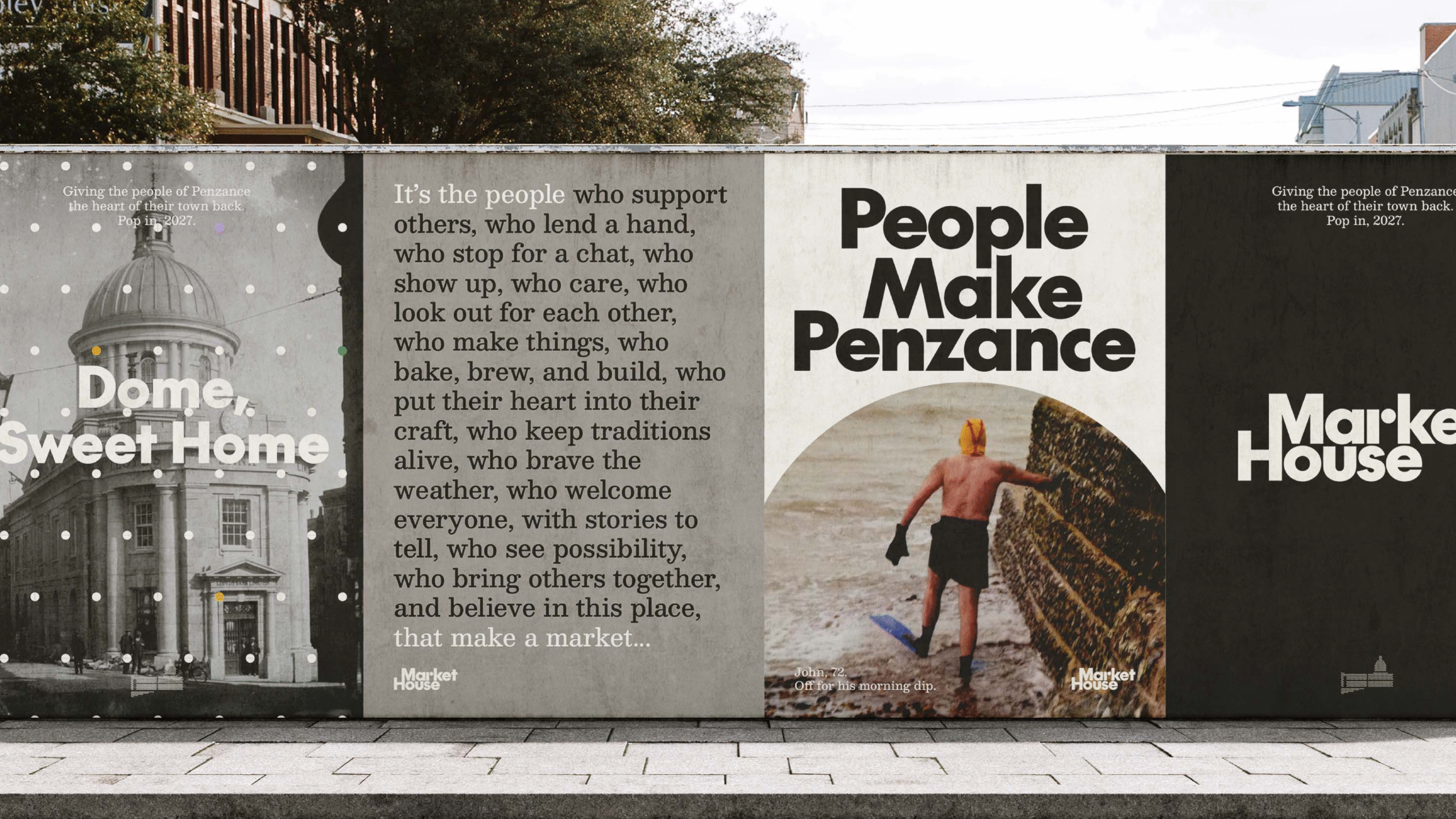
The Identity
With the brand foundations established, we started building the visual identity.
The wordmark takes an intentionally off-set, slightly off-beat approach, reflecting the character of Penzance itself. For the primary typeface, we looked directly to the building, taking inspiration from Futura, which we discovered within Market House. Its progressive, timeless character felt like the perfect fit for a brand looking both backwards and forwards.
The secondary typeface, Besley, was inspired by Clarendon and another piece of historic material found within the building: an old newspaper.
So even the typography carries a little bit of Market House history with it.
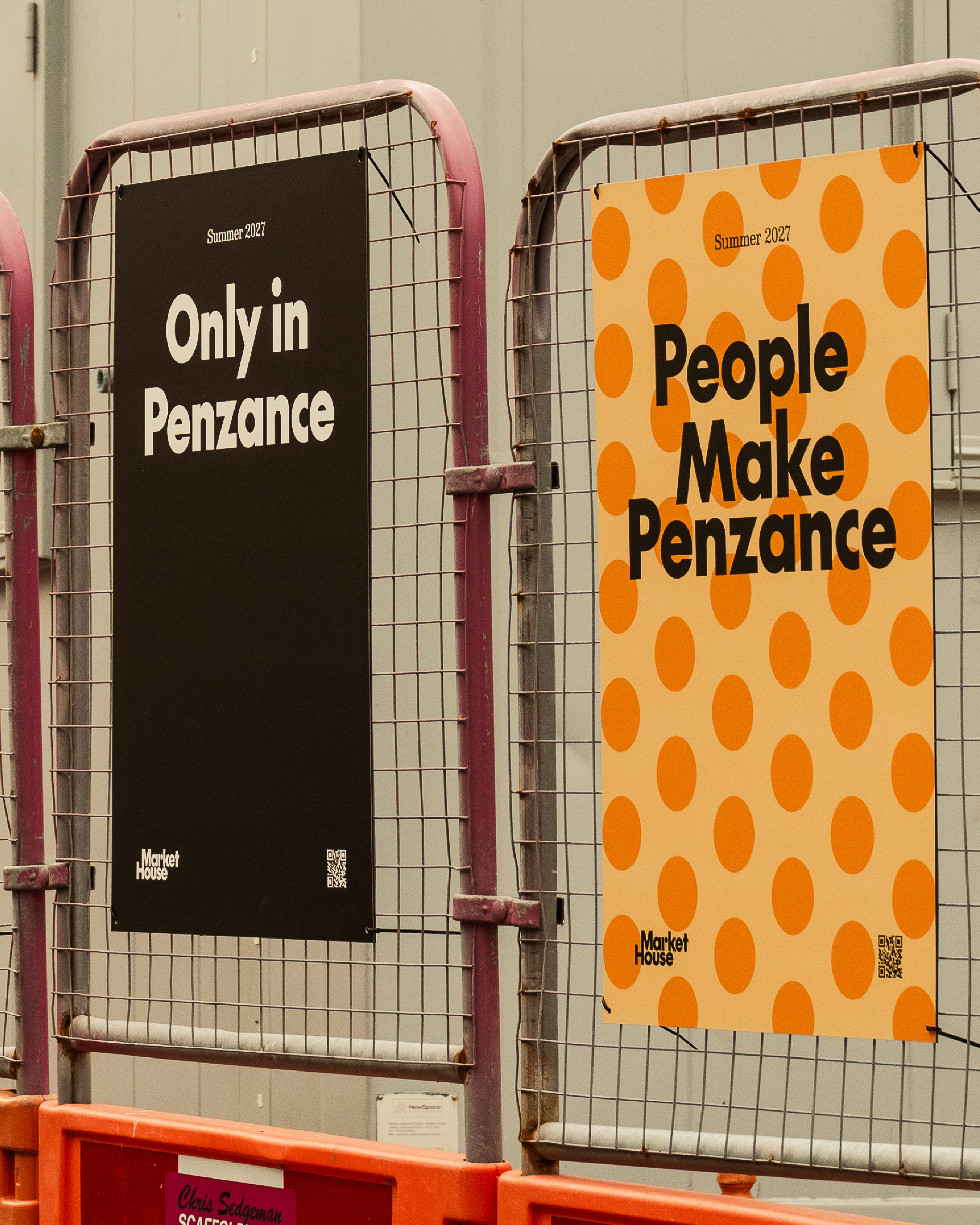
The colour palette follows the same principle. The core neutral tones – Archive White, Granite and Cornish Black – reference the building, its materials and its Cornish surroundings.
The brighter colours come from Humphry Davy’s world. Inspired by the flame tests used in his scientific work, they’re used to give each area, or ‘Room’, of Market House its own identity.
That means the system can grow with the building, with new colours able to be introduced as new spaces and ideas come to life.
The Icon & Pattern
The icon is perhaps the simplest expression of what Market House is all about.
A series of dots represents the many independent businesses and individuals that keep Penzance moving. Each has its own place, but together they create something greater.
That idea develops into the Market House mesh pattern, inspired by the woven structure of the Davy lamp. The lamp’s mesh protected its flame; here, it represents the network of small businesses, makers and entrepreneurs that give the town its light.
It’s a visual system rooted in both Humphry Davy and the collective spirit of Penzance.
Three Floors. Three Purposes.
The identity needed to work across three very different parts of the building.
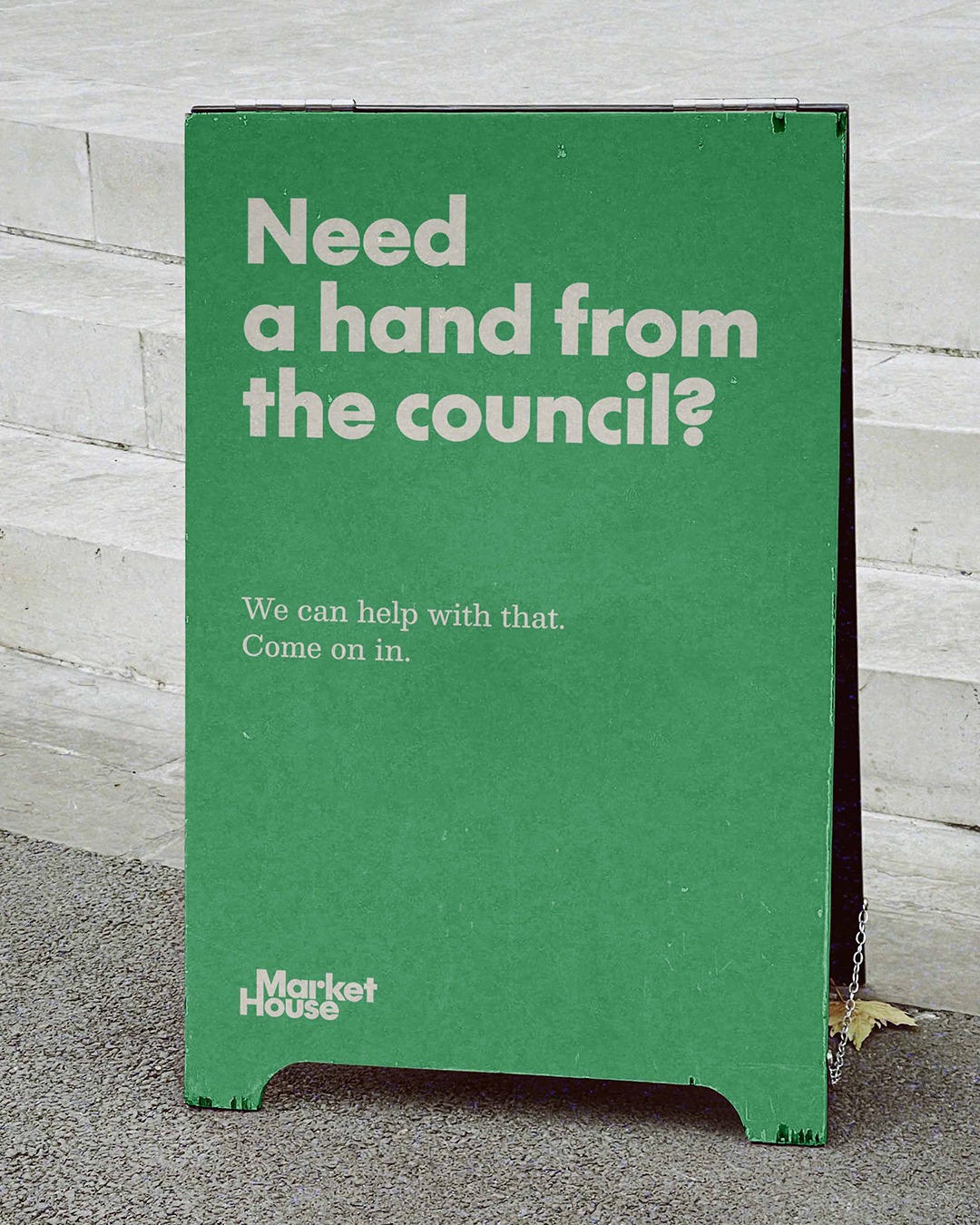
The Council Help Desk brings public services back into the public sphere, providing a place where people can access support through real conversations rather than automated phone lines and digital barriers.
The Food Hall is designed as a launchpad for local entrepreneurs. Three food pods provide a lower-risk way for emerging businesses to test ideas, grow and turn good food concepts into proper businesses. It’s the beating heart of Market House: somewhere to eat, meet and discover what’s next.
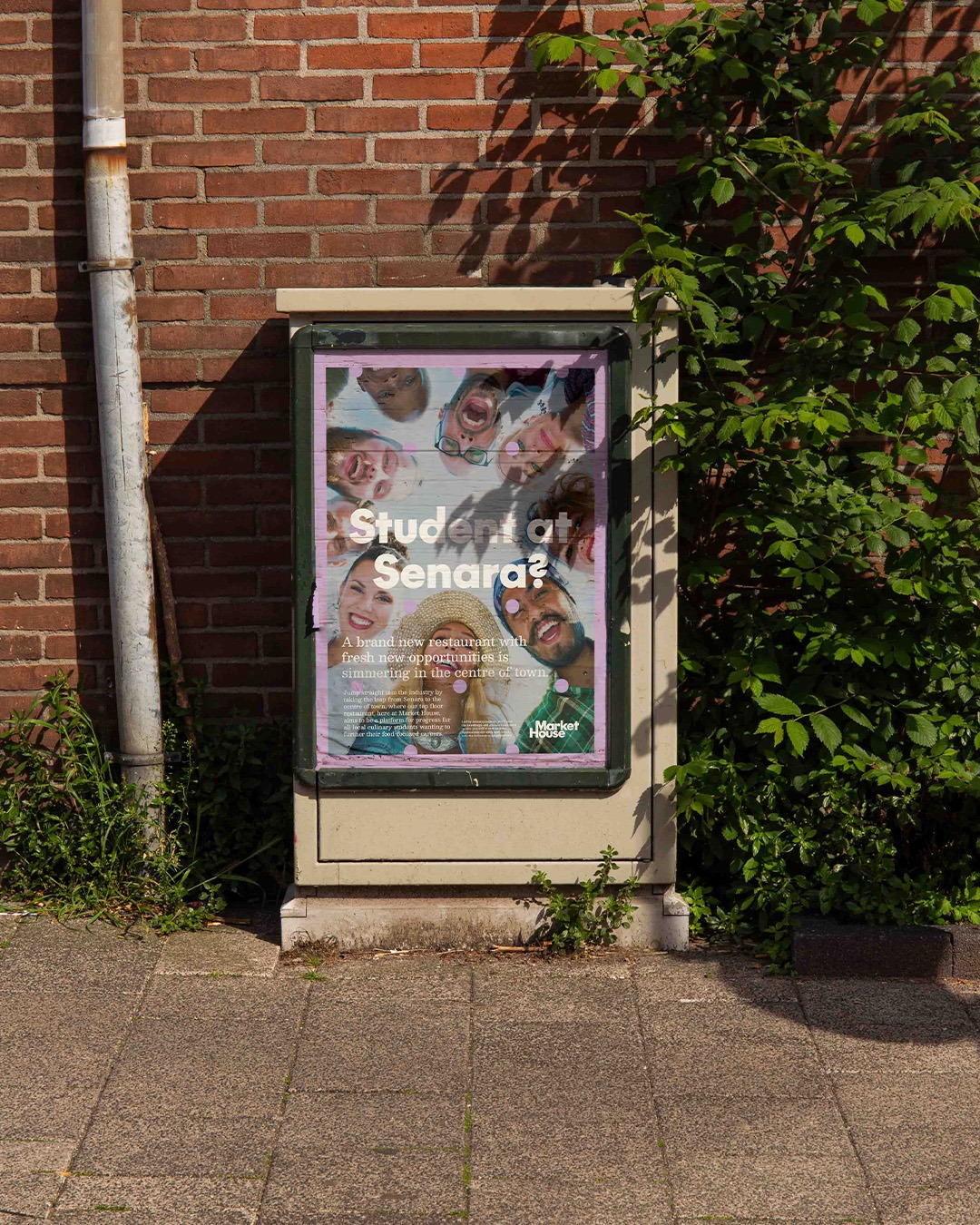
The Restaurant brings together Michelin-starred Cornish chef Tom Brown and Truro and Penwith College to create a commercial training restaurant with a charitable purpose. Rooted in Cornwall’s fishing heritage and Market House’s history as an eating house, it brings food, skills and opportunity together.
Different spaces, different audiences, but one shared identity.
Bringing It To Life
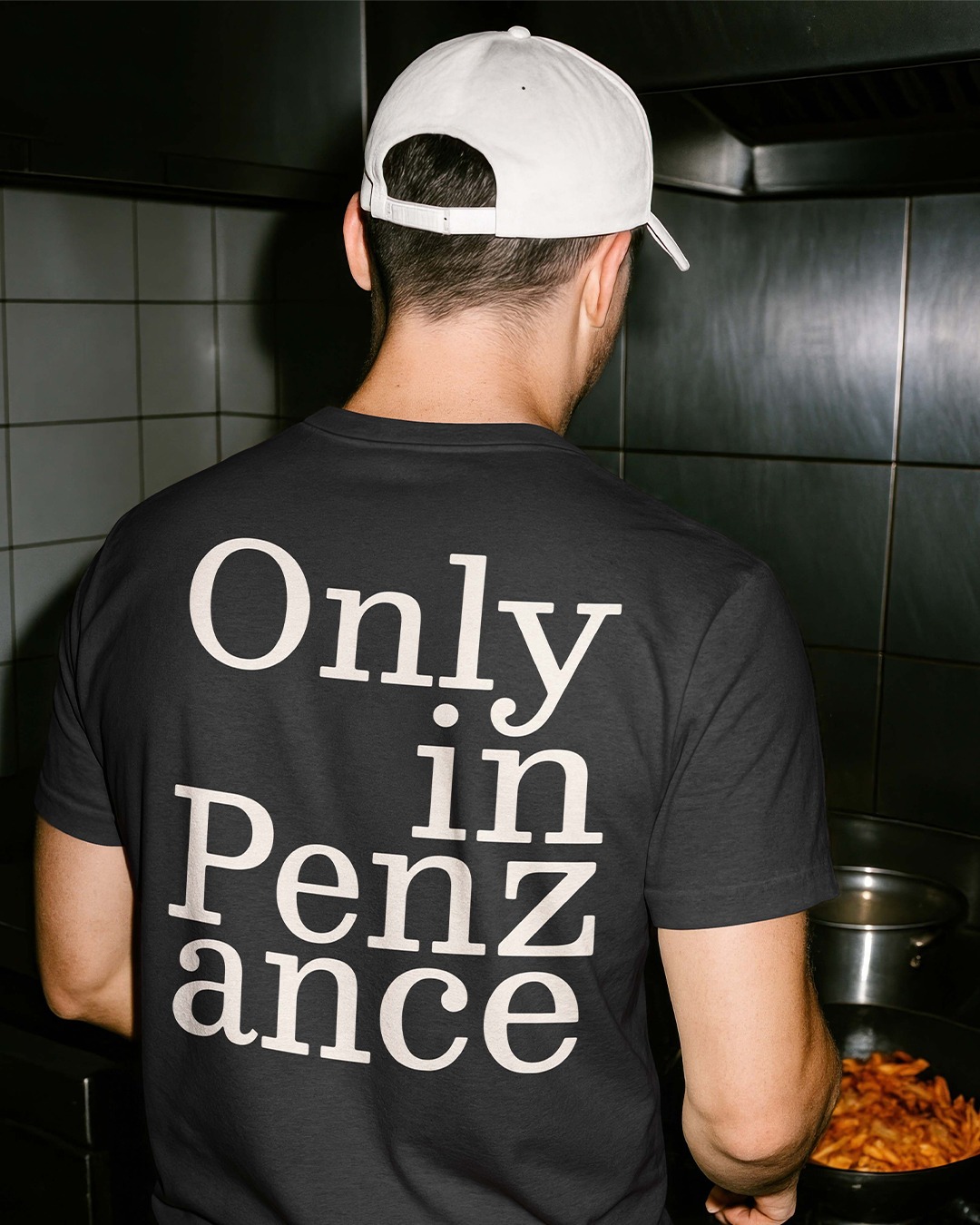
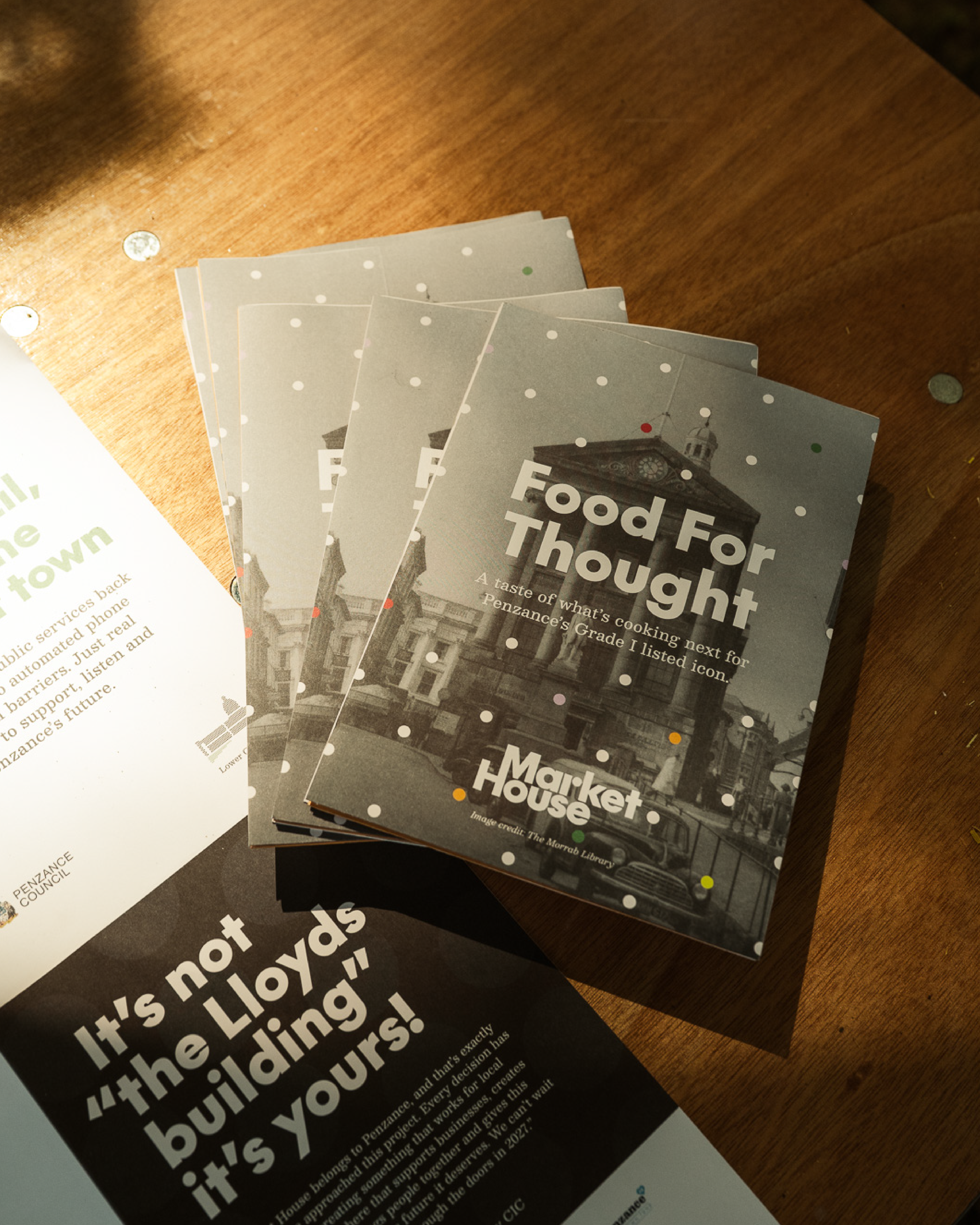
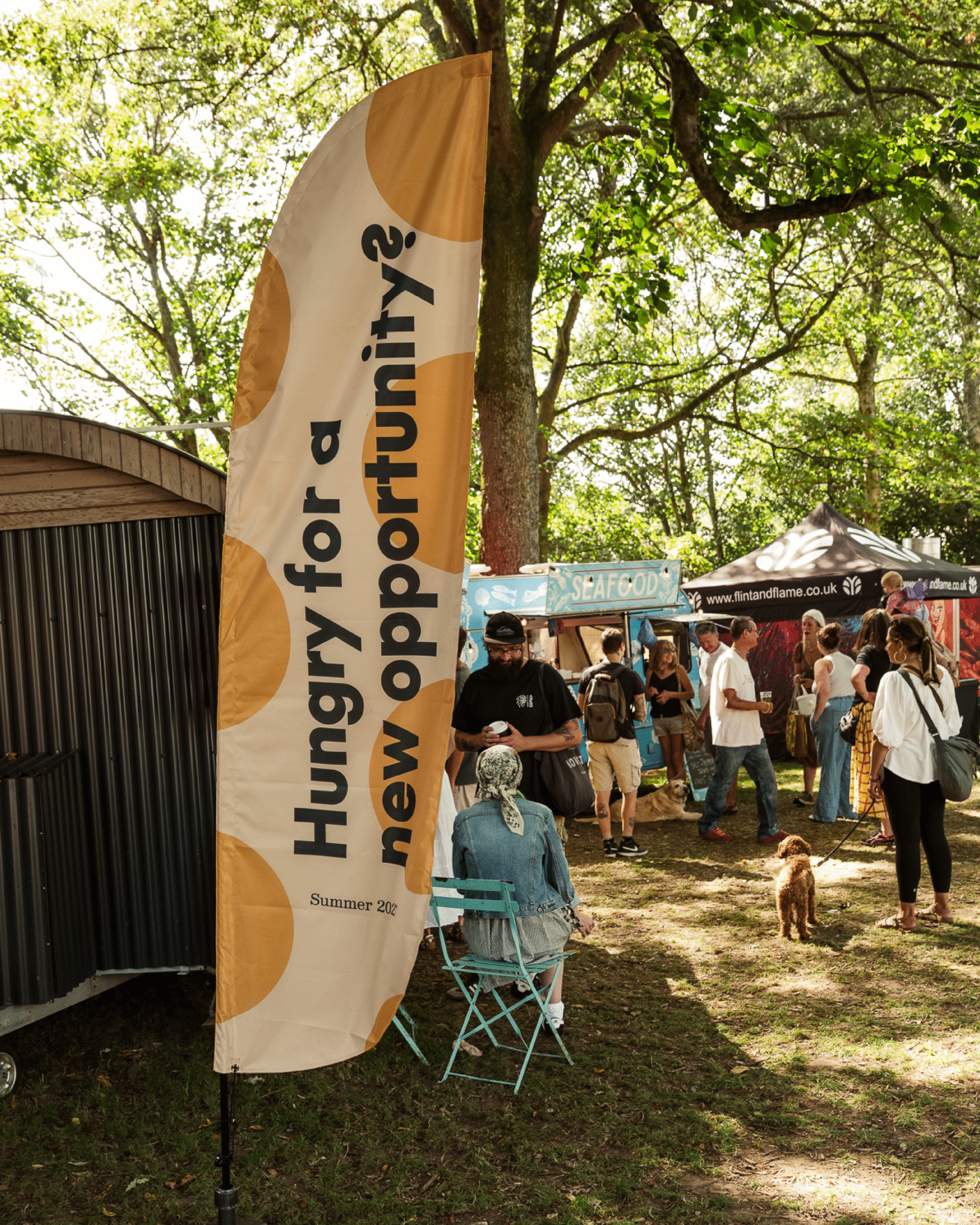
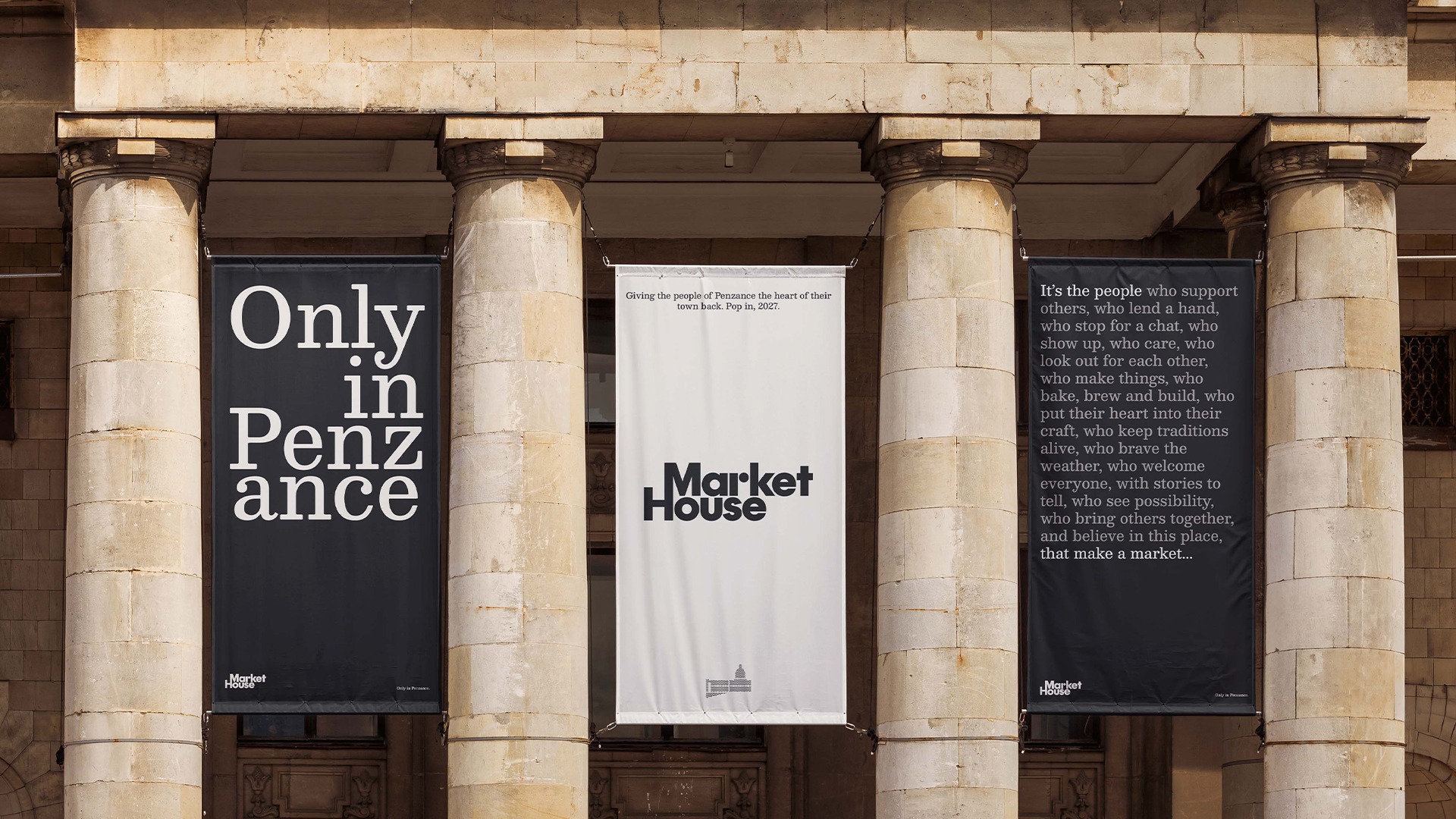
From signage and wayfinding to menus, social content, communications and the wider visual toolkit, the identity has been designed to work across the many different ways people will experience Market House.
It’s deliberately flexible. The building will change, businesses will come and go, new ideas will emerge and the programme will evolve. The brand needs to be able to do the same without losing what makes it recognisably Market House.
Ultimately, the project is about more than creating a visual identity for a building.
It’s about creating a brand for a place that belongs to the people of Penzance.
The heart has to beat for everyone.
And Market House is designed to help it do just that.
PZRC - The Penzance Regeneration Company